


Blog
Fishing for Beginners: Tips, Gear & Best Spots to Get Started

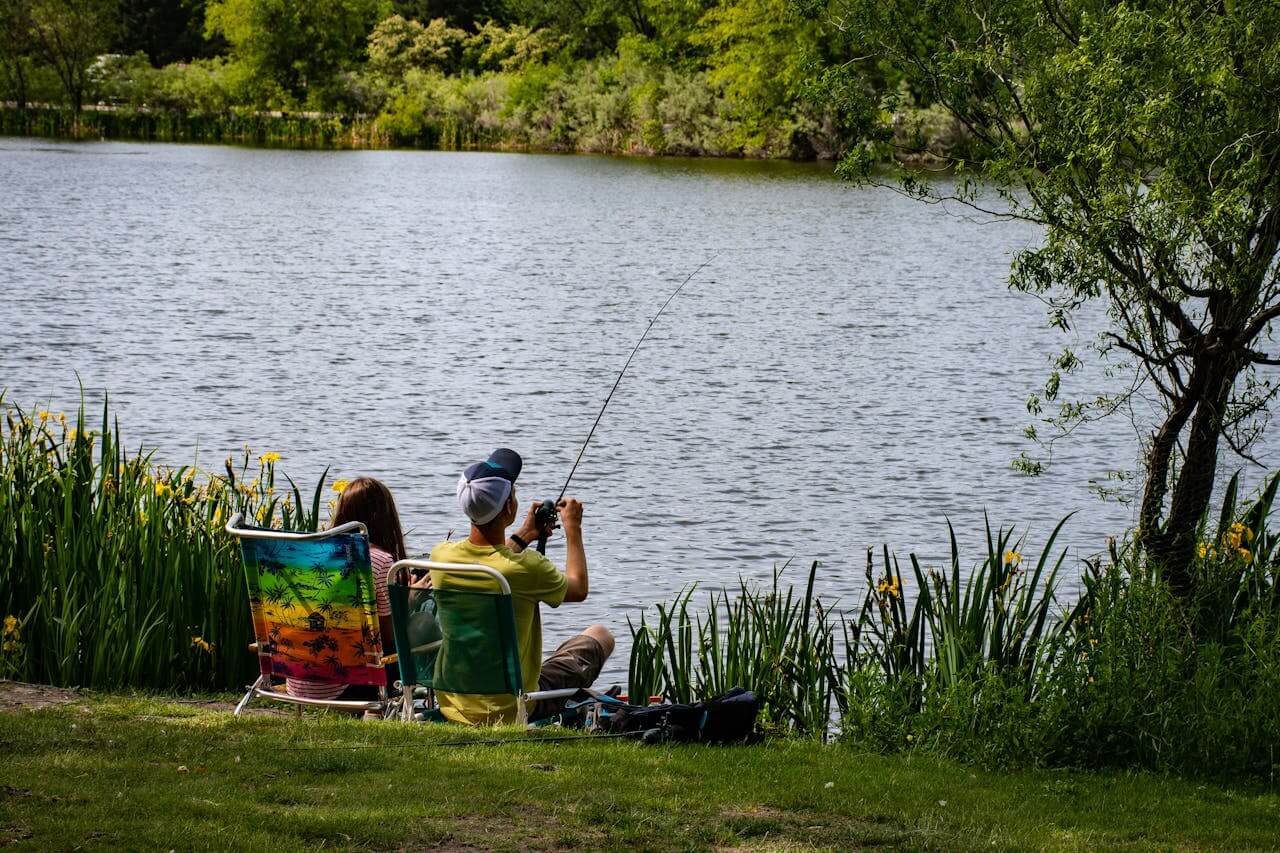
Fishing has emerged as one of the most accessible and fulfilling outdoor activities in 2025, attracting people of all ages who seek peace, challenge, and connection to nature. Whether you’re craving a quiet moment by the lake, a bonding experience with family, or the thrill of your first catch, fishing offers something for everyone. But before casting your first line, there’s a bit to learn.
This guide is your ultimate starting point. We’ll cover the types of fishing ideal for beginners, break down must-have gear, offer beginner tips to catch more fish with less frustration, and reveal some of the best fishing spots to get started. At Enyo Drasis, we’ve helped thousands of adventurers gear up for their first fishing trip through our expertly selected Fishing Gear collection.
Whether you’re planning your first solo angling adventure or gearing up with the family, this blog has the insights, equipment recommendations, and beginner-friendly advice to help you get hooked—literally. Let’s dive in and get you ready for the great outdoors, one cast at a time.
1. Why Fishing is the Ultimate Beginner-Friendly Outdoor Hobby
Fishing stands out as a beginner-friendly hobby because it requires minimal initial investment, offers instant access to nature, and provides both mental and physical benefits. You don’t need to be particularly fit, fast, or skilled to begin—you just need patience, the right gear, and a willingness to learn.
One of fishing’s greatest appeals is its calming effect. Studies show time spent near water improves mood, reduces stress, and boosts overall well-being. Unlike more demanding outdoor sports, fishing allows you to slow down, observe nature, and unwind. It’s an ideal entry point into the outdoor lifestyle, perfect for those seeking mindfulness and tranquility.
You can also fish in a variety of environments: lakes, rivers, oceans, piers, or even stocked ponds. Whether you’re miles deep into the backcountry or steps from your parked car, there’s a place to cast a line. And because fishing is both solo- and group-friendly, it’s a hobby you can enjoy alone or as a family weekend tradition.
Fishing encourages responsibility, respect for wildlife, and a sustainable mindset—especially when practicing catch and release. For beginners, it’s not just about catching fish; it’s about learning patience, building confidence, and reconnecting with the outdoors. That’s why more and more adventurers choose fishing as their first outdoor pursuit.
2. Types of Fishing Beginners Should Start With
When you’re new to fishing, choosing the right type can make all the difference. Some methods are more beginner-friendly than others, requiring less technical skill and gear.
2.1 Freshwater Fishing
This is the most recommended style for beginners. Fishing in lakes, rivers, or ponds means calmer water, more accessible shorelines, and typically lower costs. You don’t need a boat—just a rod, bait, and a license. Species like bass, bluegill, perch, or trout are plentiful and relatively easy to catch in freshwater.
2.2 Shore or Pier Fishing
Living near the coast? Pier fishing allows you to access saltwater species like mackerel or flounder without needing a boat. Piers and jetties are often maintained for public access and are excellent places to learn from local anglers.
2.3 Catch and Release Basics
Ethical fishing starts with understanding sustainable practices. Beginners should learn how to handle fish gently, use barbless hooks where possible, and release fish safely. This ensures populations stay healthy, and you’re contributing positively to ecosystems.
Ultimately, choosing the right type of fishing for your location and comfort level helps you build confidence and encourages you to keep exploring. Want to match your fishing type with the right equipment? Explore our Fishing Essentials now.
3. Must-Have Fishing Gear for First-Time Anglers
Getting the right gear is essential to enjoying your first fishing trips. While advanced anglers have boxes of specialized tools, beginners only need a few key items to start strong.
3.1 Rod & Reel Combo
A spinning rod and reel combo is your best friend as a beginner. These are easy to use, tangle-resistant, and adaptable to many fishing styles. Look for a medium-light spinning combo about 6–7 feet long. Avoid baitcasters at first—they require more precision. Browse our beginner-friendly Fishing Rods for trusted setups.
3.2 Fishing Line & Hooks
Monofilament line is ideal for beginners due to its flexibility and low cost. Go for 6–10 lb test line to start. Pair it with a basic hook selection—sizes 6 to 10 work well for small-to-medium fish. Pre-snelled hooks can save you time and frustration.
3.3 Tackle Box Essentials
You’ll need sinkers, bobbers, swivels, and a few artificial lures. A simple starter kit can cover all your bases. Plastic worms and spinners are reliable for freshwater fishing. Don’t forget bait—live worms or power bait are excellent options.
3.4 Safety & Utility Gear
Essential add-ons include needle-nose pliers (for removing hooks), polarized sunglasses (to reduce glare), a fishing hat, sunscreen, and a small first aid kit. You can also consider a fishing vest or utility belt to keep tools within reach.
With this gear, you’ll be ready to hit the water with confidence—and success.
4. Beginner Fishing Tips to Catch More & Stress Less
Fishing can feel overwhelming at first, but following a few beginner-friendly tips can dramatically improve your chances of success—and make the whole experience more enjoyable.
4.1 Master the Basic Cast
Start by learning the overhead or sidearm casting technique with a spinning rod. Don’t try to throw too far. Focus on accuracy and smooth motion. Watch a few tutorials, then practice in your yard or an open field. The more natural your casting feels, the less likely you are to tangle your line or miss your mark.
4.2 Fish at the Right Time
Fish are most active during early morning and late evening hours, especially during warmer months. Temperature, sunlight, and moon phases also impact behavior. Avoid fishing at midday under strong sun—unless you’re in shaded waters or fishing at depth.
4.3 Understand Fish Behavior
Fish often hide near underwater structures like logs, rocks, or weeds. They gravitate toward shaded, cooler areas and avoid fast currents. Observing the water’s surface, ripples, and bird activity can also give clues about fish presence.
4.4 Patience Pays Off
Don’t keep moving every few minutes. Instead, observe, wait, and adjust your strategy slowly. Changing bait or depth can make a big difference without needing to relocate. Fishing is a slow art—and that’s part of its charm.
Remember, even seasoned anglers go home empty-handed sometimes. Keep a relaxed mindset, enjoy the environment, and treat each trip as a learning opportunity.
5. The Best Beginner Fishing Spots (2025 Edition)
Location is everything when it comes to fishing. Beginners should focus on easy-to-access, well-stocked waters to maximize success and enjoyment.
5.1 Local Lakes & Rivers
These are ideal starting points. Many towns and cities have public access to freshwater lakes or rivers that are regularly stocked with fish like trout or bass. These waters are usually calm, easy to navigate, and less crowded than coastal areas.
Look for state parks or wildlife areas that offer fishing piers or flat banks. These spots are usually well-maintained and beginner-friendly.
5.2 Coastal Piers and Jetties
If you live near the coast, piers and jetties provide a great introduction to saltwater fishing. No boat? No problem. You can catch mackerel, snapper, and even small sharks using basic bait setups. Some piers even rent gear or sell bait on-site.
Make sure to check tide charts before you go—rising and falling tides bring in more active fish.
5.3 Enyo Drasis-Approved Hidden Gems
Our team at Enyo Drasis constantly scouts for family-friendly, beginner-approved locations. Join our mailing list or follow us on social media for regular tips on new places to explore near you.
You can also use GPS-based fishing apps like Fishbrain or Anglr to discover reviewed fishing spots and see what’s biting in your area. Community tips can often be more helpful than official guides.
6. Common Mistakes Beginners Make (And How to Avoid Them)
Even the most passionate newcomers can get discouraged when things don’t go as planned. Here are the top mistakes beginners make—and how to steer clear of them.
Buying Too Much Gear Too Soon
It’s tempting to load up on gadgets and high-end rods, but most of it won’t help you fish better right away. Start simple. Learn the basics. Then upgrade as your skill level grows.
Using the Wrong Bait
Different species like different bait. Beginners often use the wrong bait or don’t know how to hook it properly. Live worms, dough balls, or power bait are great starting options for freshwater fish.
Ignoring Local Rules and Licenses
Every area has different fishing regulations. Failing to get a permit or breaking size and catch limits can result in fines—or worse. Always check your local Department of Natural Resources or fish and game website before fishing.
Impatience and Constant Movement
Many beginners move too quickly from one spot to the next. Fish may take 15–30 minutes to show interest. Stay put, be observant, and only change locations when necessary.
Skipping Sun and Safety Gear
Fishing is fun, but it’s still outdoor exposure. Sunglasses, sunscreen, a hat, and bug spray are essential. Keep a first aid kit nearby and stay hydrated, especially during summer.
Avoiding these mistakes keeps your learning curve smooth and your trips enjoyable.
7. Getting Kids & Family into Fishing
Fishing is one of the best ways to introduce kids to the outdoors—and build lasting family memories. It’s educational, engaging, and screen-free.
Start Small and Simple
Choose a location close to home with easy access and clear, calm waters. Stocked ponds or local parks with short walking distances are perfect for little ones.
Use the Right Gear
Shorter rods and pre-tied rigs are ideal for kids. Look for lightweight, colorful gear in our Fishing for Kids category that’s easy to use and fun to carry.
Keep It Fun, Not Competitive
Avoid focusing too much on catching fish. Let kids explore, ask questions, and touch the bait (if they’re curious). Celebrate the small wins—like casting correctly or reeling in a small sunfish.
Safety First
Supervise at all times. Bring snacks, shade, bug repellent, and plenty of water. And remember: a short, happy trip is better than a long, frustrating one.
Fishing teaches patience, respect for nature, and responsibility. And when done right, it creates family moments that last a lifetime.
Conclusion: Cast Your First Line with Confidence
You don’t need to be an expert to enjoy fishing. With the right gear, a bit of practice, and the spirit of exploration, you can turn any day outdoors into an unforgettable adventure.
Fishing is more than a hobby—it’s a way to connect with nature, relax your mind, and spend quality time with yourself or loved ones. Remember, success isn’t just about the number of fish you catch—it’s about enjoying the process.
At Enyo Drasis, we make it easy to start your fishing journey with curated Fishing Gear that’s beginner-friendly and adventure-tested. Whether you’re planning a weekend escape or teaching your kids the joy of casting, we’re here to outfit your wild.
👉 Explore Fishing Gear
👉 Shop All Outdoor Essentials
Have a fishing story or photo? Share it with us on Instagram @EnyoDrasis or drop a comment below—we’d love to hear from you!


